Follow us

Follow us on Twitter:       Go to twitter page

Environment

Patron Members


Interwaste


Candice Landie
Senior Editor - RéSource
Email: This e-mail address is being protected from spam bots, you need JavaScript enabled to view it
 

RéSource is the official journal
of the IWMSA.
We are delighted to announce that the IWMSA has renewed the contract with3S Media to produce the journal.All members are requested to please support the journal.

Home arrow What is Waste

What is Waste?

Recycling

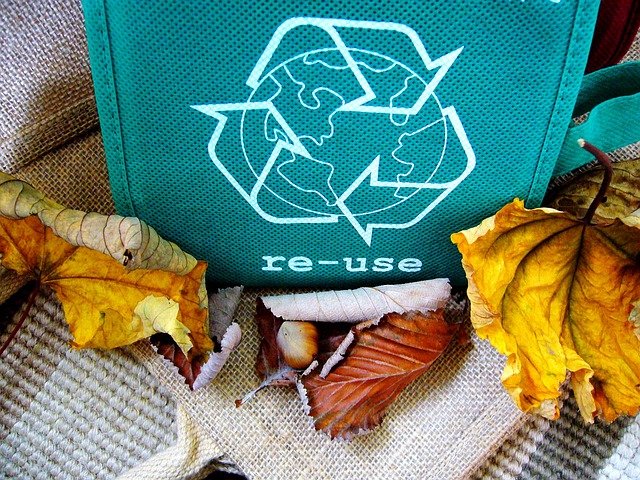
Each day more and more people are realising the necessity of reducing, reusing and recycling their waste. Every person’s efforts, no matter how big or small, contribute towards a clean and safe environment for all to enjoy.

We at the IWMSA realise and understand that it is a daunting task to know where to start when it comes to recycling. We’ve put a few documents together for your convenience to help you get started with you recycling efforts.

Reduce - Reuse - Recycle

Downloads:

'Win with Waste' on How to start Recycling

Click here to download file 

List of Recyclers 

Click here to download file

Guideline on recycling of solid waste (5.5Mb ~ 31 min) 

Click here to download file  

RAG (Recycling Action Group) information brochure

Click here to download file

Useful websites:

Pikitup - Garden Refuse Sites

Click here

Mondi Recycling - Paper Recycling in your area 

Click here

Gauteng e-Waste Guide South Africa 

Click here

Collect-a-Can – Tin and Steel recycling 

Click here


Image NATIONAL RECYCLING FORUM


Visit the National Recycling Forum (NRF) website for more information.

e-Waste

What is e-Waste?

Electronic waste (e-waste) or Waste Electrical and Electronic Equipment (WEEE) is the term used to describe old, end-of-life or discarded appliances using electricity. It includes computers, consumer electronics, fridges etc. which have been disposed of by their original users. While there is no generally accepted definition of e-waste, often it is associated with relatively expensive and essentially durable products used for data processing, telecommunications or entertainment in private households and businesses. But the ever increasing digitalisation of products blurs such a distinction from former electrical appliance such as a kettle, a boiler or an oven; which all do or will soon contain electronic circuits and ultimately become e-waste.

For more information on e-waste visit: www.ewasa.org

Environmental Tips

To help you look after our environment we have the following great environmental tips for you, compliments of Jeffares & Green Consulting Engineers:

Tip 1: Non-Toxic Cleaning

Tip 2: Home Composting

Tip 3: Indigenous Gardening

Tip 4: Reducing your C02 footprint  


Guidelines from the Department of Water Affairs (DWA):


Guidelines for the Utilisation and Disposal of Wastewater Sludge: Volume 1: Selection of Management Options, March 2006

Guidelines for the Utilisation and Disposal of Wastewater Sludge: Volume 2: Requirements for the agricultural use of sludge, March 2006

Draft Guidelines for the Utilisation and Disposal of Wastewater Sludge: Vol 3: Requirements for the on-site and off-site disposal of sludge of wastewater sludge, March 2007

Draft Guidelines for the Utilisation and Disposal of Wastewater Sludge: Vol 4: Requirements for the beneficial use of sludge at high loading rates, March 2008

Draft Guidelines for the Utilisation and Disposal of Wastewater Sludge: Vol 5: Requirements for thermal sludge management practices and for commercial products containing sludge, March 2008